

Harnessing the Power of Solar Panels for Your Home
At a glance Solar panels are revolutionising the way homeowners in the UK think about…

Why you can trust our content
We know that the solar industry is full of misinformation, but we only use reliable sources, including:

At a glance
Solar panels are revolutionising the way homeowners in the UK think about electricity. From lower bills to environmental benefits, investing in solar energy brings both immediate and long‑term advantages. In this post, we explore how solar panels work, the benefits they offer, considerations before installation, and why Keenan Electrical is the ideal partner.
How Solar Panels Work
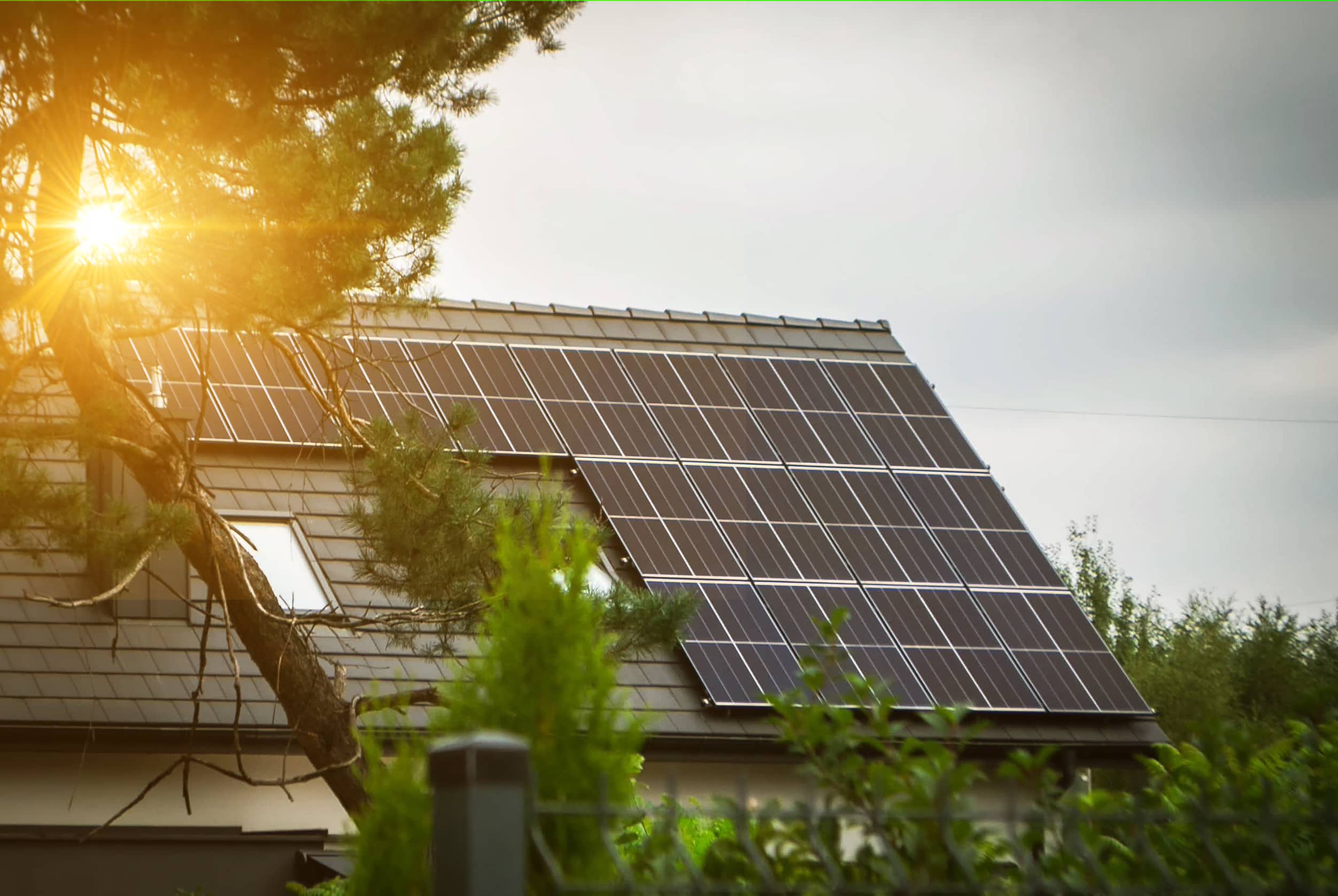
Sunlight is captured by photovoltaic cells in the panel, which convert photons into electrical current. This direct current (DC) flows into an inverter, changing it into alternating current (AC) that powers household appliances. Any excess energy can either be stored in batteries or exported back to the grid, earning consumers a feed‑in tariff or export payment.
Benefits of Solar Power at Home
Solar panels reduce reliance on the grid, lowering energy bills significantly. Over time, the savings can offset installation costs. Solar energy is clean and renewable, helping reduce carbon footprints and contributing to sustainability targets. Homeowners may also increase property value, attract eco‑minded buyers, and rely on more predictable energy costs in the future.
Planning Your Solar Installation
Before installing solar panels, assess your roof: orientation, tilt angle and shading impact output. South‑facing, unshaded roofs produce the best yields. Consider available space and desired system size. Financial incentives like the Smart Export Guarantee and any regional grants may also influence system design. A site survey by a certified installer ensures accurate estimation of output and cost.
Choosing the Right Equipment
Not all solar panels or inverters are created equal. High‑efficiency modules produce more energy in limited spaces. Durable brands with warranties spanning 20–25 years offer long‑term reliability. Inverter quality affects performance and monitoring capabilities. Battery storage adds flexibility but requires additional space, investment, and planning for future energy use.
Installation by Professionals
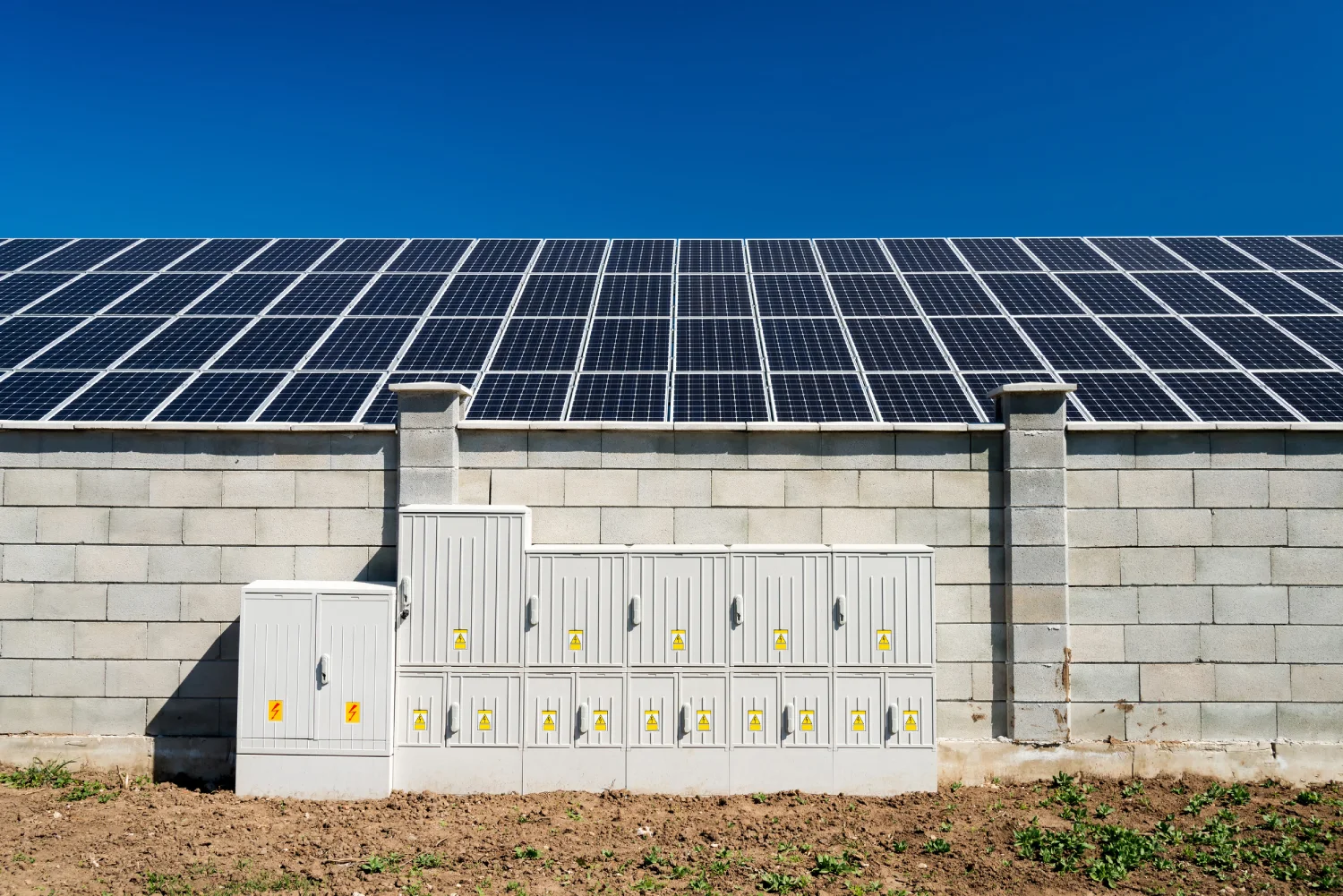
Installing solar panels involves careful mounting to preserve roof integrity, routing cables, setting up the inverter, and connecting to the main electrical board and meter. Accredited professionals ensure compliance with UK Electrical Standards (BS7671) and building regulations. Keenan Electrical’s installers handle both the electrical integration and paperwork, including grid‑connection applications.
Performance Monitoring and Maintenance
Once installed, solar systems require minimal maintenance. Regular inspection ensures panels remain clean and unobstructed by debris. Monitoring tools provide real‑time data on generation, consumption, and exports. Data helps track performance and detect faults. Keenan Electrical offers ongoing support and periodic maintenance packages.
Economic Return and Payback Period
A typical domestic solar installation may pay for itself in 7–10 years, depending on system size, household usage, and export rates. The longer you keep the system, the greater the return. With an expected lifespan of 25–30 years, homeowners may see decades of essentially free electricity and increased property value.
What type of property do you have?

Detached House

Semi Detached House

Terraced House

Flat or Apartment
Bungalow
It just takes 60 seconds
And then you can book a free consultation
Environmental Impact and Carbon Savings
By generating clean electricity, solar panels help reduce dependency on fossil fuels and cut CO₂ emissions. For an average UK home, a 4 kW solar system can offset nearly 1 tonne of CO₂ annually. Over 25 years, this translates into substantial contribution to environmental goals and personal carbon reduction.
Why Choose Keenan Electrical
Keenan Electrical brings extensive experience in designing and installing solar PV systems tailored to UK homes. Their team is MCS‑certified, fully insured, and committed to high‑quality service. From initial consultation and bespoke system design to seamless installation and aftercare, Keenan Electrical ensures a smooth and reliable process for customers.
Conclusion
Investing in solar energy is a smart, sustainable choice for homeowners looking to save money, reduce carbon emissions, and increase property value. Careful planning, quality equipment, professional installation and diligent maintenance ensure long‑term performance and peace of mind.
Related articles

What type of property do you have?
Detached House
Semi Detached House
Terraced House
Flat or Apartment
Bungalow
At a glance
Solar panels are revolutionising the way homeowners in the UK think about electricity. From lower bills to environmental benefits, investing in solar energy brings both immediate and long‑term advantages. In this post, we explore how solar panels work, the benefits they offer, considerations before installation, and why Keenan Electrical is the ideal partner.
How Solar Panels Work
Sunlight is captured by photovoltaic cells in the panel, which convert photons into electrical current. This direct current (DC) flows into an inverter, changing it into alternating current (AC) that powers household appliances. Any excess energy can either be stored in batteries or exported back to the grid, earning consumers a feed‑in tariff or export payment.
Benefits of Solar Power at Home
Solar panels reduce reliance on the grid, lowering energy bills significantly. Over time, the savings can offset installation costs. Solar energy is clean and renewable, helping reduce carbon footprints and contributing to sustainability targets. Homeowners may also increase property value, attract eco‑minded buyers, and rely on more predictable energy costs in the future.
Planning Your Solar Installation
Before installing solar panels, assess your roof: orientation, tilt angle and shading impact output. South‑facing, unshaded roofs produce the best yields. Consider available space and desired system size. Financial incentives like the Smart Export Guarantee and any regional grants may also influence system design. A site survey by a certified installer ensures accurate estimation of output and cost.
Choosing the Right Equipment
Not all solar panels or inverters are created equal. High‑efficiency modules produce more energy in limited spaces. Durable brands with warranties spanning 20–25 years offer long‑term reliability. Inverter quality affects performance and monitoring capabilities. Battery storage adds flexibility but requires additional space, investment, and planning for future energy use.
Installation by Professionals
Installing solar panels involves careful mounting to preserve roof integrity, routing cables, setting up the inverter, and connecting to the main electrical board and meter. Accredited professionals ensure compliance with UK Electrical Standards (BS7671) and building regulations. Keenan Electrical’s installers handle both the electrical integration and paperwork, including grid‑connection applications.
Performance Monitoring and Maintenance
Once installed, solar systems require minimal maintenance. Regular inspection ensures panels remain clean and unobstructed by debris. Monitoring tools provide real‑time data on generation, consumption, and exports. Data helps track performance and detect faults. Keenan Electrical offers ongoing support and periodic maintenance packages.
Economic Return and Payback Period
A typical domestic solar installation may pay for itself in 7–10 years, depending on system size, household usage, and export rates. The longer you keep the system, the greater the return. With an expected lifespan of 25–30 years, homeowners may see decades of essentially free electricity and increased property value.
What type of property do you have?
Detached House
Semi Detached House
Terraced House
Flat or Apartment
Bungalow
It just takes 60 seconds
And then you can book a free consultation
Environmental Impact and Carbon Savings
By generating clean electricity, solar panels help reduce dependency on fossil fuels and cut CO₂ emissions. For an average UK home, a 4 kW solar system can offset nearly 1 tonne of CO₂ annually. Over 25 years, this translates into substantial contribution to environmental goals and personal carbon reduction.
Why Choose Keenan Electrical
Keenan Electrical brings extensive experience in designing and installing solar PV systems tailored to UK homes. Their team is MCS‑certified, fully insured, and committed to high‑quality service. From initial consultation and bespoke system design to seamless installation and aftercare, Keenan Electrical ensures a smooth and reliable process for customers.
Conclusion
Investing in solar energy is a smart, sustainable choice for homeowners looking to save money, reduce carbon emissions, and increase property value. Careful planning, quality equipment, professional installation and diligent maintenance ensure long‑term performance and peace of mind.
Related articles
What type of property do you have?
Detached House
Semi Detached House
Terraced House
Flat or Apartment
Bungalow