

Solar Energy for Businesses: Lower Operating Costs and Green Credentials
At a glance Commercial enterprises across the UK are increasingly turning to solar energy to…

Why you can trust our content
We know that the solar industry is full of misinformation, but we only use reliable sources, including:


At a glance
Commercial enterprises across the UK are increasingly turning to solar energy to reduce overhead costs and strengthen their sustainability profile. This article explores how solar installations benefit businesses of all sizes, including financial modelling, legal considerations, and practical installation matters, with FAQs tailored to business owners.
Why Businesses Go Solar
Rising energy costs impact profitability. Solar energy offers long‑term cost stability and shields against fluctuating electricity prices. Moreover, going solar aligns with corporate social responsibility and can enhance brand image. ESG reporting now often requires clean energy credentials, making solar installations even more strategic.
Assessing the Business Site
Business premises—roofs, car parks, or land—should be surveyed to evaluate solar viability. Even flat roofs are suitable with the right mounting system. A detailed shading and orientation analysis determines the best layout. Keenan Electrical conducts energy audits, measuring current electrical use to size an appropriate system.
Financial Considerations
Businesses can amortise solar investment over several years. Capital allowances and tax relief, such as Enhanced Capital Allowances (ECAs) or super‑deduction, may offer significant first‑year relief. Mechanisms like Power Purchase Agreements (PPAs) or operating leases minimise upfront outlay. Feed‑in tariffs are replaced by the Smart Export Guarantee, allowing exports to the grid for additional revenue.
Designing a Commercial Solar System
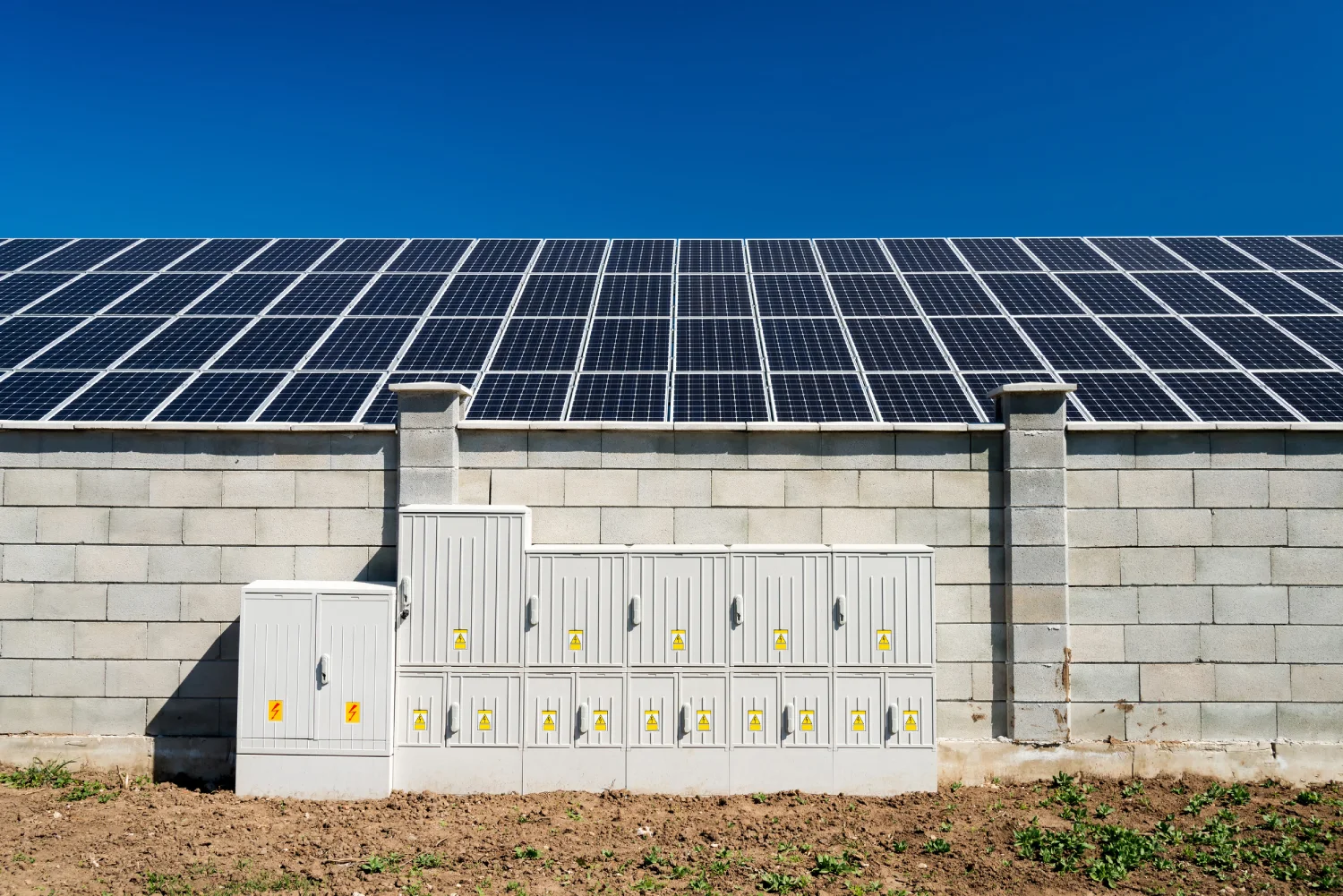
Large roofs allow for multi‑kilowatt installations, potentially in the tens or hundreds of kW. Tracking systems or high‑power modules can maximise output. Integration with battery storage or onsite usage scheduling optimises self‑consumption. The system must be compatible with site grid infrastructure and local distribution network operators’ regulations.
Installation Process Overview
Commercial solar projects involve scaffolding, structural assessments, and electrical integration at higher voltages. Keenan Electrical ensures safe mounting, cable routing, inverter connection, and grid‑tie equipment. They manage applications to the Distribution Network Operator (DNO) and coordinate meter changes or export meter installation.
What type of property do you have?

Detached House

Semi Detached House

Terraced House

Flat or Apartment
Bungalow
It just takes 60 seconds
And then you can book a free consultation
Operation, Maintenance and Reporting
Commercial systems often include remote monitoring dashboards enabling businesses to track generation, consumption and export in real time. Predictive maintenance, panel cleaning and performance checks help maintain optimum output. Reporting can be used for sustainability reporting or stakeholder communication.
Return on Investment and Payback
While upfront costs can be higher, larger systems yield quicker paybacks—often in 4–7 years. After payback, energy is essentially free. Over a 20–25 year lifespan, businesses benefit from substantial savings and reduced carbon impact, enhancing return on investment. Solar installations also improve asset valuation and appeal to eco‑focused customers.
Compliance and Planning Permissions
Most rooftop solar installations fall under permitted development rights in the UK, meaning they don’t require planning permission, unless the site is listed or in a conservation area. Keenan Electrical advises on all compliance matters, including building regulations, electrical safety and coordination with local authorities.
Case Study: Solar for SMEs
Consider a small manufacturing business with 50 kWp rooftop potential. Keenan Electrical designed a system generating nearly 45,000 kWh annually. With a PPA and tax allowances, the business paid no capital upfront, saved nearly £6,000 per year on energy and saw CO₂ emissions drop significantly, enhancing its sustainability reporting.
Why Choose Keenan Electrical for Your Business
Keenan Electrical’s commercial solar team handles everything from site assessment and system design to grid‑connection and post‑installation support. With experience across industries and business sizes, they deliver reliable, high‑performance installations tailored to organisational needs. Their full service includes regulatory management, warranties, monitoring setup and maintenance contracts.
Conclusion
Solar energy presents compelling financial, operational, and reputational benefits for UK businesses. With strategic design and professional installation from Keenan Electrical, companies can reduce energy costs, showcase green credentials and gain long‑term value—all while supporting the transition to clean energy.
Related articles

What type of property do you have?
Detached House
Semi Detached House
Terraced House
Flat or Apartment
Bungalow
At a glance
Commercial enterprises across the UK are increasingly turning to solar energy to reduce overhead costs and strengthen their sustainability profile. This article explores how solar installations benefit businesses of all sizes, including financial modelling, legal considerations, and practical installation matters, with FAQs tailored to business owners.
Why Businesses Go Solar
Rising energy costs impact profitability. Solar energy offers long‑term cost stability and shields against fluctuating electricity prices. Moreover, going solar aligns with corporate social responsibility and can enhance brand image. ESG reporting now often requires clean energy credentials, making solar installations even more strategic.
Assessing the Business Site
Business premises—roofs, car parks, or land—should be surveyed to evaluate solar viability. Even flat roofs are suitable with the right mounting system. A detailed shading and orientation analysis determines the best layout. Keenan Electrical conducts energy audits, measuring current electrical use to size an appropriate system.
Financial Considerations
Businesses can amortise solar investment over several years. Capital allowances and tax relief, such as Enhanced Capital Allowances (ECAs) or super‑deduction, may offer significant first‑year relief. Mechanisms like Power Purchase Agreements (PPAs) or operating leases minimise upfront outlay. Feed‑in tariffs are replaced by the Smart Export Guarantee, allowing exports to the grid for additional revenue.
Designing a Commercial Solar System
Large roofs allow for multi‑kilowatt installations, potentially in the tens or hundreds of kW. Tracking systems or high‑power modules can maximise output. Integration with battery storage or onsite usage scheduling optimises self‑consumption. The system must be compatible with site grid infrastructure and local distribution network operators’ regulations.
Installation Process Overview
Commercial solar projects involve scaffolding, structural assessments, and electrical integration at higher voltages. Keenan Electrical ensures safe mounting, cable routing, inverter connection, and grid‑tie equipment. They manage applications to the Distribution Network Operator (DNO) and coordinate meter changes or export meter installation.
What type of property do you have?
Detached House
Semi Detached House
Terraced House
Flat or Apartment
Bungalow
It just takes 60 seconds
And then you can book a free consultation
Operation, Maintenance and Reporting
Commercial systems often include remote monitoring dashboards enabling businesses to track generation, consumption and export in real time. Predictive maintenance, panel cleaning and performance checks help maintain optimum output. Reporting can be used for sustainability reporting or stakeholder communication.
Return on Investment and Payback
While upfront costs can be higher, larger systems yield quicker paybacks—often in 4–7 years. After payback, energy is essentially free. Over a 20–25 year lifespan, businesses benefit from substantial savings and reduced carbon impact, enhancing return on investment. Solar installations also improve asset valuation and appeal to eco‑focused customers.
Compliance and Planning Permissions
Most rooftop solar installations fall under permitted development rights in the UK, meaning they don’t require planning permission, unless the site is listed or in a conservation area. Keenan Electrical advises on all compliance matters, including building regulations, electrical safety and coordination with local authorities.
Case Study: Solar for SMEs
Consider a small manufacturing business with 50 kWp rooftop potential. Keenan Electrical designed a system generating nearly 45,000 kWh annually. With a PPA and tax allowances, the business paid no capital upfront, saved nearly £6,000 per year on energy and saw CO₂ emissions drop significantly, enhancing its sustainability reporting.
Why Choose Keenan Electrical for Your Business
Keenan Electrical’s commercial solar team handles everything from site assessment and system design to grid‑connection and post‑installation support. With experience across industries and business sizes, they deliver reliable, high‑performance installations tailored to organisational needs. Their full service includes regulatory management, warranties, monitoring setup and maintenance contracts.
Conclusion
Solar energy presents compelling financial, operational, and reputational benefits for UK businesses. With strategic design and professional installation from Keenan Electrical, companies can reduce energy costs, showcase green credentials and gain long‑term value—all while supporting the transition to clean energy.
Related articles
What type of property do you have?
Detached House
Semi Detached House
Terraced House
Flat or Apartment
Bungalow